A Comprehensive Guide from Karuna City Clinic
Cervical cancer remains one of the most preventable yet life-threatening cancers affecting women, particularly in low- and middle-income countries like Nepal. Despite advances in screening, vaccination, and treatment, many women are still diagnosed at advanced stages due to lack of awareness, delayed healthcare access, and social barriers.
This in-depth, evidence-based guide explains cervical cancer, its causes, symptoms, prevention, and cervical cancer treatment options available in Nepal. It also highlights the importance of vaccination in Nepal, including HPV vaccination for cervical cancer prevention and influenza vaccination for overall women’s health.
This article reflects clinical practices followed at Karuna City Clinic, under the guidance of Dr. Anu Bajracharya, Senior Consultant Gynaecologic Oncologist.
Understanding Cervical Cancer
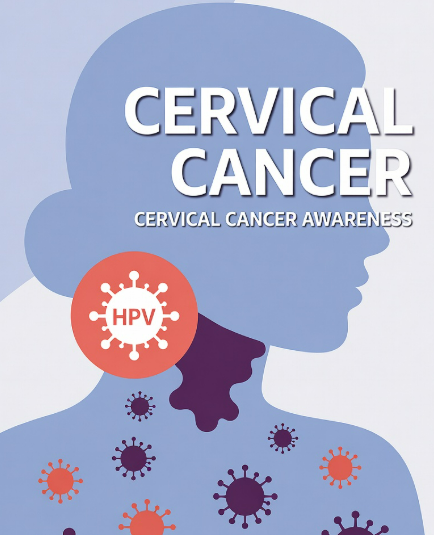
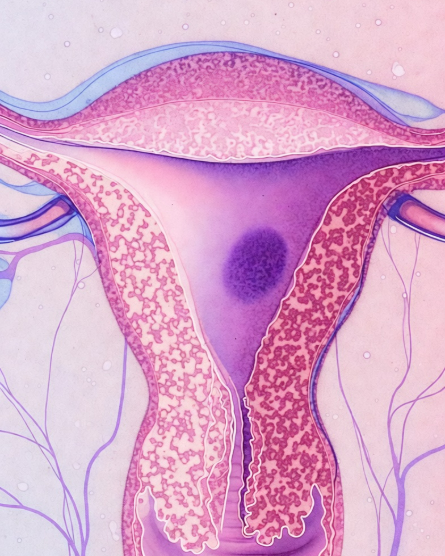
Cervical cancer develops in the cervix, the lower part of the uterus that connects to the vagina. The majority of cervical cancer cases are caused by persistent infection with high-risk types of Human Papillomavirus (HPV).
Cervical cancer usually develops slowly over many years, progressing from precancerous changes to invasive cancer. This long progression makes screening and vaccination extremely effective preventive tools.
Cervical Cancer: Global and Nepal Context
Key Cervical Cancer Statistics
- According to the World Health Organization (WHO), cervical cancer is the fourth most common cancer in women worldwide
- Over 600,000 new cases and 340,000 deaths occur globally each year
- Nearly 90% of cervical cancer deaths occur in low- and middle-income countries
- In Nepal, cervical cancer is among the leading cancers affecting women
These numbers highlight the urgent need for accessible cervical cancer treatment, organized screening, and effective vaccination in Nepal.
Causes and Risk Factors of Cervical Cancer
Primary Cause: HPV Infection
- High-risk HPV types (especially HPV-16 and HPV-18) cause most cervical cancers
- HPV is transmitted through sexual contact
- Most HPV infections clear naturally, but persistent infection can lead to cancer
Additional Risk Factors
- Early sexual activity
- Multiple sexual partners
- Smoking
- Weakened immune system
- Lack of regular screening
Early evaluation at a qualified clinic in Nepal significantly reduces risk through prevention and early detection.
Symptoms of Cervical Cancer
Early cervical cancer often has no symptoms, which is why screening is essential.
Common Symptoms (Often in Later Stages)
- Abnormal vaginal bleeding
- Bleeding after intercourse
- Pelvic pain
- Pain during sexual activity
- Unusual vaginal discharge
Women experiencing these symptoms should seek immediate evaluation at a specialized clinic in Nepal.
Importance of Cervical Cancer Screening
Screening detects precancerous changes before cancer develops.
Common Screening Methods
| Screening Test | Purpose |
| Pap smear | Detects abnormal cervical cells |
| HPV DNA test | Identifies high-risk HPV infection |
| Visual inspection (VIA) | Low-resource screening method |
Routine screening is one of the most effective strategies to reduce the need for advanced cervical cancer treatment.
Cervical Cancer Diagnosis
If screening results are abnormal, further evaluation may include:
- Colposcopy
- Cervical biopsy
- Imaging studies (ultrasound, CT, MRI)
Accurate diagnosis is critical for staging and planning appropriate cervical cancer treatment.
Cervical Cancer Treatment Options in Nepal
Treatment depends on:
- Stage of cancer
- Tumor size
- Patient’s age and health
- Desire for fertility preservation
Table: Cervical Cancer Treatment by Stage
| Stage | Treatment Options |
| Early | Surgery |
| Locally advanced | Radiation + chemotherapy |
| Advanced | Chemotherapy, palliative care |
Comprehensive cervical cancer treatment requires a multidisciplinary approach led by experienced specialists.
Role of a Gynaecologic Oncologist
Cervical cancer care should ideally be guided by a trained gynaecologic oncologist.
At Karuna City Clinic, care is provided under the leadership of Dr. Anu Bajracharya, Senior Consultant Gynaecologic Oncologist, who brings extensive expertise in:
- Cancer diagnosis and staging
- Surgical oncology
- Coordinated cancer care
Expert-led care improves outcomes and patient confidence.
HPV Vaccination: A Breakthrough in Cervical Cancer Prevention
Why HPV Vaccination Matters
HPV vaccination can prevent:
- Up to 90% of cervical cancer cases
- Other HPV-related cancers
Recommended Age Groups
- Ideally before onset of sexual activity
- Can be given to adolescents and young adults
Expanding vaccination in Nepal is a key strategy in reducing cervical cancer burden.
Influenza Vaccination and Women’s Health
While influenza vaccination does not directly prevent cervical cancer, it plays an important role in:
- Protecting immune health
- Reducing complications during cancer treatment
- Preventing severe illness in pregnant women
A comprehensive clinic in Nepal integrates preventive care, including both HPV and influenza vaccination, into women’s health services.
Vaccination in Nepal: Current Landscape
Vaccination programs in Nepal have expanded, but adult vaccination coverage remains limited.
Benefits of Vaccination Programs
- Reduced disease burden
- Lower healthcare costs
- Improved quality of life
Promoting vaccination in Nepal through trusted clinics improves long-term public health outcomes.
Preventing Cervical Cancer: A Three-Step Approach
- HPV vaccination
- Regular screening
- Timely cervical cancer treatment
When combined, these measures can make cervical cancer a largely preventable disease.
Myths and Misconceptions About Cervical Cancer
❌ Cervical cancer cannot be prevented
❌ Vaccines are unsafe
❌ Only older women get cervical cancer
Evidence-based education at a trusted clinic in Nepal helps dispel these myths.
Why Choose Karuna City Clinic?
Patients choose Karuna City Clinic because it offers:
- Expert gynecologic oncology care
- Personalized cervical cancer treatment plans
- Access to screening and vaccination services
- Ethical, patient-centered approach
Under the guidance of Dr. Anu Bajracharya, the clinic emphasizes early detection, prevention, and compassionate care.

Frequently Asked Questions (FAQs)
What causes cervical cancer?
Persistent infection with high-risk HPV types is the main cause.
Is cervical cancer treatable?
Yes. Early-stage cervical cancer has excellent treatment outcomes.
Where can I get cervical cancer treatment in Nepal?
Specialized clinics in Nepal like Karuna City Clinic provide expert evaluation and treatment.
Is HPV vaccination available in Nepal?
Yes. HPV vaccination is increasingly available as part of preventive healthcare.
Why is influenza vaccination recommended?
It protects overall health, especially for women undergoing cancer treatment or pregnancy.
Medical Review Note
This content is prepared for public education and reflects internationally accepted oncology and preventive care guidelines. Clinical insights are aligned with practices followed by experienced gynecologic oncologists, including Dr. Anu Bajracharya, Senior Consultant Gynaecologic Oncologist at Karuna City Clinic.
Final Thoughts: Prevention Saves Lives
Cervical cancer is one of the few cancers that can be prevented, detected early, and effectively treated. Through regular screening, timely cervical cancer treatment, and expanded vaccination in Nepal, thousands of lives can be saved.
Women are encouraged to seek evaluation at a trusted clinic in Nepal, discuss HPV and influenza vaccination, and take proactive steps toward long-term health.