
Vaccination remains one of the most effective and evidence-based public health interventions available today. In Nepal, where preventable infectious diseases still contribute significantly to illness and long-term complications, timely immunization plays a critical role in protecting individuals, families, and communities.
Among adult and adolescent vaccines, influenza vaccination and HPV vaccination deserve special attention. These vaccines address diseases that are common, often underestimated, and yet largely preventable. Clinics that provide structured vaccination services help bridge the gap between awareness and prevention.
This article explains influenza vaccination, HPV vaccination, and other commonly recommended vaccines, with a focus on how preventive care is delivered responsibly at a clinic in Nepal such as Karuna City Clinic.
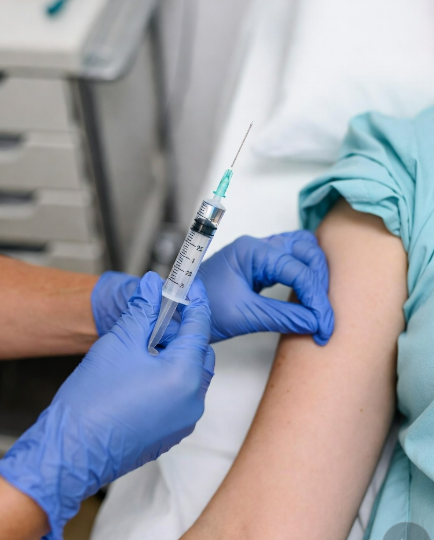
Why Vaccination Is a Preventive Health Priority
Vaccines work by preparing the immune system to recognize and fight specific infections before illness occurs. This reduces:
- Risk of severe disease
- Complications requiring hospitalization
- Long-term disability
- Spread within the community
According to the World Health Organization (WHO):
- Vaccination prevents 4–5 million deaths globally each year
- Adult vaccination coverage remains significantly lower than childhood vaccination, especially in low and middle-income countries
In Nepal, adult vaccination is increasingly important due to:
- Urban population density
- International travel
- Changing disease patterns
- Rising non-communicable disease burden
Understanding Influenza and Why Vaccination Matters
What Is Influenza?
Influenza (flu) is a contagious viral respiratory illness caused by influenza viruses. It spreads through droplets when infected individuals cough, sneeze, or talk.
Influenza is often mistaken as a mild seasonal illness, but in reality it can lead to:
- Severe pneumonia
- Worsening of chronic diseases
- Hospitalization
- Death in high-risk individuals
Influenza Burden: Key Data
| Indicator | Global Estimate |
| Annual influenza cases | ~1 billion |
| Severe cases per year | 3–5 million |
| Annual deaths | 290,000–650,000 |
| High-risk groups | Elderly, children, pregnant women, chronic illness |
Influenza Vaccination in Nepal
Influenza vaccination in Nepal is recommended for both high-risk groups and the general population, especially before seasonal outbreaks.
Who Should Receive Influenza Vaccination?
- Adults above 60 years
- Children under 5 years
- Pregnant women
- Healthcare workers
- People with asthma, diabetes, heart disease
- Individuals with weakened immunity
Annual vaccination is recommended because influenza viruses change frequently.
How Influenza Vaccination Works
- Contains inactivated or weakened virus strains
- Triggers immune response without causing illness
- Protection develops within 2 weeks
- Reduces severity even if infection occurs
HPV and Its Health Impact
What Is HPV?
Human Papillomavirus (HPV) is a group of over 200 related viruses. Some types are harmless, while others are linked to cancer.
High-risk HPV types are responsible for:
- Cervical cancer
- Anal cancer
- Oropharyngeal cancer
- Genital warts
HPV-Related Cancer Statistics
| Condition | Percentage Linked to HPV |
| Cervical cancer | >95% |
| Oropharyngeal cancer | ~70% |
| Anal cancer | ~90% |
Cervical cancer remains one of the leading cancers among women in Nepal, making HPV prevention especially important.
HPV Vaccination in Nepal
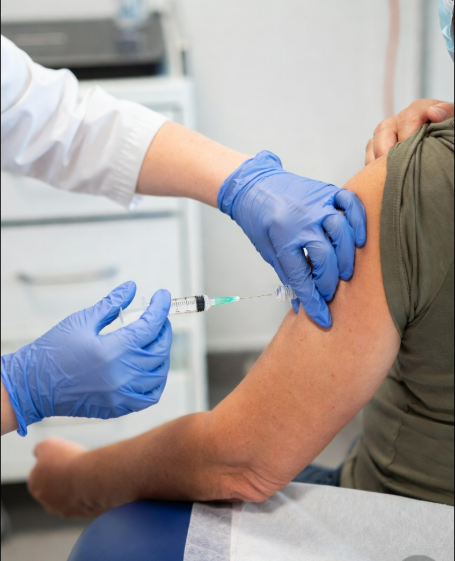
HPV vaccination in Nepal is increasingly recognized as a key preventive measure against cervical cancer and other HPV-related diseases.
Who Should Receive HPV Vaccination?
- Girls and boys aged 9–14 (preferred age)
- Adolescents and young adults up to 26 years
- Some adults beyond 26 based on medical advice
Vaccination is most effective before exposure to HPV, but still offers benefits later.
HPV Vaccine Safety and Effectiveness
- Studied in millions of individuals worldwide
- Shown to reduce cervical precancer rates by up to 90%
- No evidence of long-term serious adverse effects
Comparing Influenza and HPV Vaccines
| Aspect | Influenza Vaccine | HPV Vaccine |
| Target disease | Influenza virus | Human Papillomavirus |
| Frequency | Annual | 2–3 dose schedule |
| Primary benefit | Prevents severe flu | Prevents HPV-related cancers |
| Age focus | All age groups | Adolescents & young adults |
Other Vaccines Available at Karuna City Clinic
In addition to influenza and HPV vaccination, Karuna City Clinic provides several essential vaccines as part of preventive healthcare.
Commonly Offered Vaccines
- Pneumococcal vaccine (pneumonia)
- Tetanus vaccine
- Rabies vaccine
Each vaccine serves a specific preventive purpose based on individual risk factors and exposure.
Pneumococcal Vaccine (Pneumonia Prevention)
Protects against bacterial infections that can cause:
- Pneumonia
- Meningitis
- Bloodstream infections
Recommended for:
- Elderly adults
- Chronic disease patients
- Immunocompromised individuals
Tetanus Vaccine
Tetanus is caused by bacteria entering through wounds.
- Booster recommended every 10 years
- Essential for injury prevention
- Important for pregnant women and wound management
Rabies Vaccine
Rabies is fatal once symptoms appear.
Vaccination is recommended:
- After animal bites
- For high-risk occupations
- As post-exposure prophylaxis
Why Choose a Trusted Clinic for Vaccination?
Vaccination is not only about administering an injection. It involves:
- Proper assessment
- Correct storage and handling
- Monitoring for adverse reactions
- Accurate documentation
A reliable clinic in Nepal follows standard protocols to ensure vaccine safety and effectiveness.
How Vaccination Services Are Delivered at Karuna City Clinic
At Karuna City Clinic, vaccination services are delivered with a focus on safety, accuracy, and patient education.
Key aspects include:
- Medical assessment before vaccination
- Clear explanation of benefits and risks
- Adherence to cold-chain standards
- Post-vaccination guidance and follow-up
Addressing Common Vaccine Concerns
Are vaccines safe?
Yes. All recommended vaccines undergo extensive testing before approval and continuous monitoring after use.
Can vaccines cause the disease?
No. Inactivated vaccines cannot cause infection.
Are side effects common?
Most side effects are mild and temporary, such as soreness or low-grade fever.
Vaccination and Community Health
High vaccination coverage leads to:
- Reduced disease spread
- Protection of vulnerable populations
- Lower healthcare burden
This concept, known as herd immunity, is especially important in urban communities.
About Karuna City Clinic
Karuna City Clinic is a patient-focused healthcare facility providing preventive, diagnostic, and outpatient medical services in Nepal. The clinic follows evidence-based medical practices and national immunization guidelines when delivering vaccination services.
With trained healthcare professionals and standardized protocols, the clinic emphasizes preventive care, patient education, and safe immunization practices for individuals across age groups.
This article reflects general medical information and public health guidance and is published for educational purposes.
Frequently Asked Questions (FAQs)
Is influenza vaccination needed every year?
Yes. Influenza viruses change annually, so yearly vaccination is recommended.
Is HPV vaccination only for females?
No. HPV vaccination benefits both males and females.
Is vaccination available for adults in Nepal?
Yes. Adult vaccination is increasingly available at clinics in Nepal.
Are vaccines safe during pregnancy?
Some vaccines are recommended during pregnancy, but medical consultation is essential.
Where can I get vaccinated safely?
At a licensed medical clinic following standard vaccination protocols.
Conclusion
Vaccination against influenza, HPV, and other preventable diseases is a cornerstone of modern preventive healthcare. With rising awareness and improved access, timely immunization can significantly reduce disease burden in Nepal.
Clinics that provide structured vaccination services play a vital role in protecting individuals and strengthening community health. By understanding the purpose, safety, and timing of vaccines, individuals can make informed decisions that support long-term well-being.