
Access to reliable healthcare begins with choosing the right clinic. In Nepal, clinics serve as the first point of contact for most medical concerns ranging from preventive health checkups to diagnosis and long-term condition management. Yet, many people select a clinic based only on proximity or word of mouth, without understanding what truly defines quality clinical care.
As healthcare needs grow more complex and patient awareness increases, the role of a well structured clinic has become more important than ever. This article explains what a clinic is, why clinics matter in Nepal’s healthcare system, what patients should expect from a modern clinic, and how comprehensive clinics support better health outcomes over time.
What Is a Clinic?
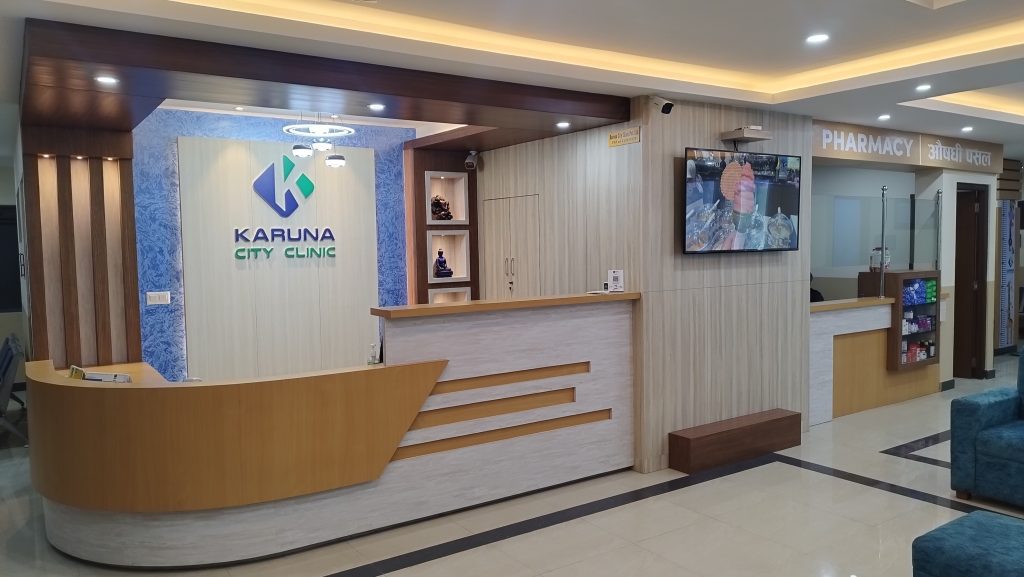
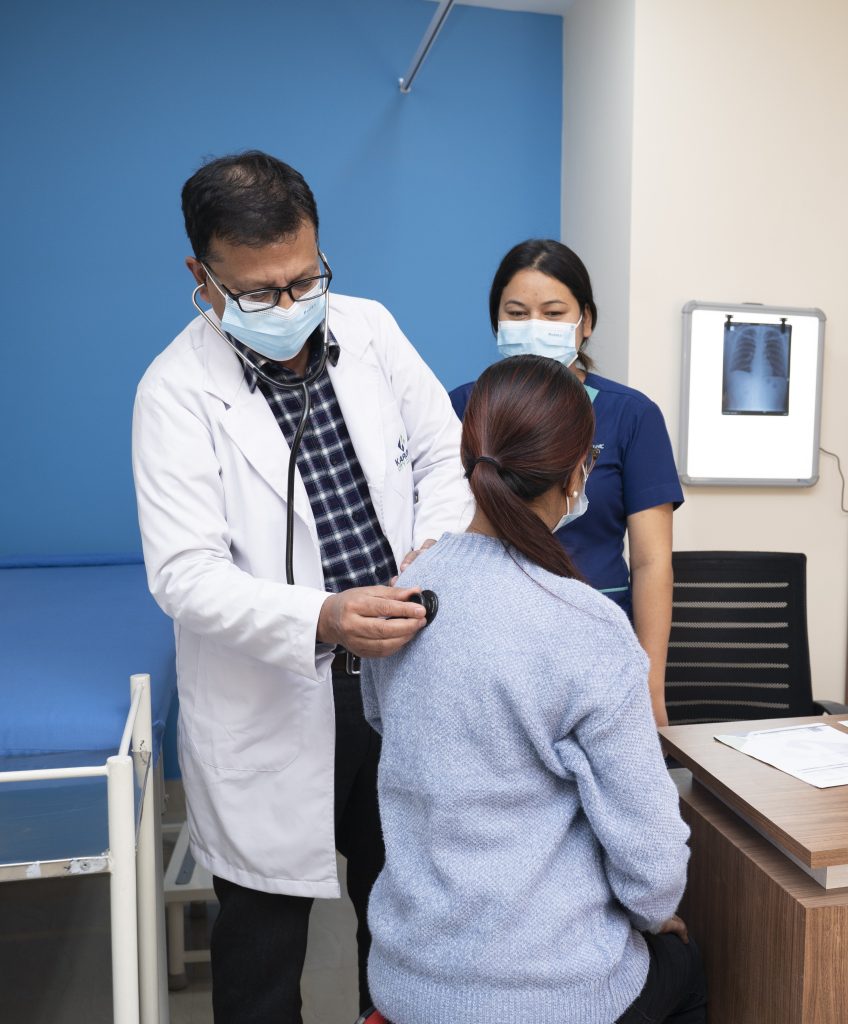
A clinic is a healthcare facility focused primarily on outpatient medical care. Unlike hospitals, clinics typically do not provide overnight admission but play a critical role in diagnosis, treatment, monitoring, and preventive care.
Clinics in Nepal commonly offer:
- Medical consultations
- Diagnostic evaluations
- Preventive health services
- Chronic disease management
- Follow-up care
A well organized clinic in Nepal functions as a gateway to the broader healthcare system, guiding patients toward appropriate treatment while minimizing unnecessary hospital visits.
Why Clinics Matter in Nepal’s Healthcare System
Nepal’s healthcare system relies heavily on clinics for accessible, community level care. For many patients, a clinic is where health concerns are first identified and addressed.
Key reasons clinics matter include:
- Early detection of medical conditions
- Reduced burden on hospitals
- Improved continuity of care
- Cost effective healthcare access
In urban and semi urban areas, clinics have evolved to provide multi-disciplinary services under one roof, improving coordination and patient experience.
Strong clinic-based care improves early diagnosis and reduces the need for complex hospital treatment.
What Defines a High Quality Clinic?
The term best clinic in Nepal is often used loosely, but from a medical and patient care perspective, quality is defined by specific standards rather than popularity.
Core Elements of a Quality Clinic
- Qualified Medical Professionals
Doctors and healthcare staff with verified credentials and clinical experience. - Structured Consultation Process
Adequate consultation time, proper medical history review, and clear communication. - Diagnostic Support
Access to essential diagnostic services or referral coordination. - Continuity of Care
Follow-up systems that ensure patients are monitored over time. - Ethical and Transparent Practice
Clear explanations of diagnosis, treatment options, and costs.
A clinic that consistently meets these criteria earns patient trust and long-term credibility.
Common Services Offered by Clinics in Nepal
Modern clinics address a wide range of healthcare needs. While services vary, most comprehensive clinics provide:
- General medical consultations
- Preventive health checkups
- Management of chronic conditions
- Women’s health services
- Minor procedures
- Diagnostic referrals
Clinics like Karuna City Clinic are designed to integrate multiple services, reducing fragmentation of care.
Preventive Healthcare: The Foundation of Clinic Services
Preventive care is one of the most important yet underutilized services offered by clinics.
Preventive Services Often Include:
- Routine health screenings
- Blood pressure and diabetes monitoring
- Vaccinations
- Lifestyle and nutrition counseling
Early preventive care helps identify risk factors before they develop into serious conditions, reducing long-term health costs and complications.
Clinics and Chronic Disease Management
Chronic conditions such as diabetes, hypertension, thyroid disorders, and respiratory diseases require regular monitoring rather than episodic hospital visits.
A reliable clinic provides:
- Scheduled follow-ups
- Medication review
- Lifestyle guidance
- Coordination with specialists when required
This continuity is a key reason many patients seek care from a trusted clinic in Nepal rather than shifting between multiple facilities.
Diagnostic Evaluation at Clinics
While clinics may not house advanced imaging equipment, many provide or coordinate:
- Basic laboratory tests
- Imaging referrals
- Interpretation of reports
- Treatment planning based on results
The role of the clinic is not just testing, but clinical interpretation helping patients understand what results mean and what steps to take next.

Patient Experience: Why It Matters
Healthcare outcomes are influenced not only by treatment, but also by patient experience. Studies consistently show that patients who feel heard and informed are more likely to follow medical advice.
Key aspects of positive clinic experience include:
- Clear communication
- Respect for patient concerns
- Privacy and confidentiality
- Reasonable waiting times
High quality clinics prioritize patient dignity alongside clinical effectiveness.
Choosing the Right Clinic in Nepal
When searching for the best clinic in Nepal, patients should look beyond marketing claims and consider practical factors.
A Patient Checklist:
- Are doctors clearly identified with credentials?
- Is the consultation process structured and unhurried?
- Are follow-ups encouraged?
- Is information explained clearly?
- Are referrals coordinated when needed?
These indicators matter more than size or visibility.
Karuna City Clinic: A Patient-Centered Approach
Karuna City Clinic focuses on delivering structured, ethical, and patient centered outpatient care.
The clinic’s approach reflects what patients increasingly expect from a modern clinic in Nepal:
- Comprehensive consultation
- Preventive care emphasis
- Coordinated diagnostics
- Long-term health monitoring
By prioritizing clarity and continuity, clinics like Karuna City Clinic contribute to better patient outcomes and trust based care.
Clinics vs Hospitals: Understanding the Difference
| Aspect | Clinic | Hospital |
| Primary role | Outpatient care | Inpatient & emergency care |
| Length of stay | Same-day visits | Overnight or longer |
| Cost | Generally lower | Higher |
| Focus | Diagnosis & follow-up | Acute & complex care |
Both play essential roles, but clinics are often the most appropriate starting point for non-emergency health concerns.
Healthcare Access and Urban Clinics
In cities and growing urban centers, clinics serve as accessible healthcare hubs. They reduce travel time, wait periods, and system overload.
Urban clinics also support:
- Early specialist referrals
- Timely diagnostics
- Better disease monitoring
This makes well run clinics central to modern healthcare delivery in Nepal.
Frequently Asked Questions (FAQs)
What services does a clinic in Nepal usually provide?
Clinics offer outpatient consultations, preventive care, diagnostics coordination, and chronic disease management.
How do I choose the best clinic in Nepal?
Look for qualified doctors, structured consultations, follow-up systems, and transparent communication.
Are clinics suitable for long-term care?
Yes. Clinics are ideal for monitoring chronic conditions and preventive health.
When should I go to a hospital instead of a clinic?
Emergency conditions or cases requiring admission should be managed in hospitals.
Do clinics handle preventive health checkups?
Yes. Preventive care is a core service of most modern clinics.
Conclusion
Clinics are the backbone of accessible healthcare in Nepal. They support early diagnosis, preventive care, and long-term health management often determining outcomes long before hospital treatment becomes necessary.
Understanding what defines quality clinic care empowers patients to make informed decisions about their health. By choosing clinics that prioritize structured evaluation, ethical practice, and continuity of care, individuals can take meaningful steps toward better health outcomes.
Author & Medical Content Note
This article is written for educational purposes and reflects established healthcare principles related to outpatient and preventive care. It is intended to support informed healthcare decisions and does not replace individualized medical consultation.