
Perimenopause is a natural stage in a woman’s life, but it is often confusing and misunderstood. Unlike menopause, which is confirmed after 12 months without a period, perimenopause is the transition that happens before it. This stage can last for several years and may bring changes in your menstrual cycle, mood, sleep, energy, and overall well-being.
During perimenopause, your body gradually prepares for the end of the reproductive years. These changes are mainly caused by shifting levels of estrogen and progesterone. Some women notice only mild symptoms, while others experience changes that affect daily life.
At Karuna City Clinic, our experienced gynaecologist team understands how overwhelming this transition can feel. Knowing what is happening inside your body can help you manage symptoms with more confidence and seek the right support when needed.
What Is Perimenopause?
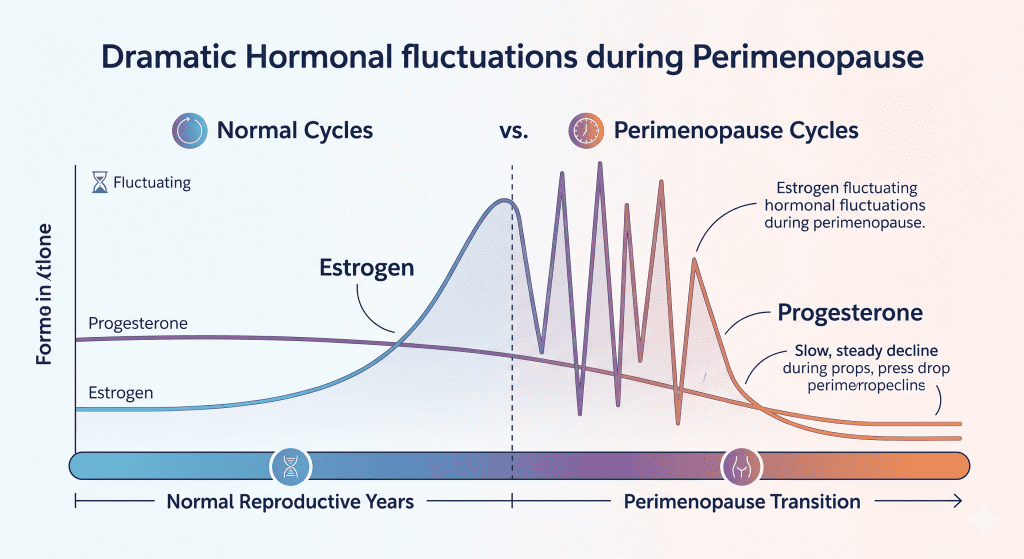
Perimenopause, also called the menopausal transition, usually begins in a woman’s 40s. For some women, it may start in the late 30s. During this time, the ovaries begin producing estrogen and progesterone less predictably.
This stage continues until menopause, which is reached when a woman has gone 12 consecutive months without a menstrual period. Because hormone levels rise and fall unevenly, symptoms can feel different from month to month.
The Main Stages of Perimenopause
Very Early Perimenopause
Your cycles may still be regular, but you may begin noticing small changes in your flow, mood, sleep, or energy.
Early Transition
Your cycle length may start changing by seven days or more.
Late Transition
You may begin skipping periods, with gaps of 60 days or more between cycles.
What Happens Inside the Body During Perimenopause?
To understand perimenopause symptoms, it helps to look at the hormone changes happening internally. During the reproductive years, estrogen and progesterone usually rise and fall in a regular pattern.
During perimenopause, this pattern becomes less predictable. The brain sends more follicle-stimulating hormone, or FSH, to encourage the ovaries to ovulate. Sometimes the ovaries respond strongly, causing estrogen to rise. At other times, they respond weakly, causing estrogen to drop.
These ups and downs can lead to symptoms such as hot flashes, irregular periods, mood changes, anxiety, sleep problems, and changes in energy.
Hormonal Changes and Their Effects
Estrogen may rise and fall suddenly, leading to symptoms such as hot flashes, breast tenderness, and heavier bleeding.
Progesterone usually declines, which may contribute to anxiety, sleep problems, shorter cycles, and mood changes.
Testosterone may also decrease gradually, which can affect libido, muscle strength, and overall energy.
1. Menstrual Cycle Changes
One of the first signs of perimenopause is a change in your period. As ovulation becomes less regular, your uterine lining may sometimes build up more than usual. This can lead to heavier bleeding. At other times, lower estrogen levels may cause lighter bleeding or spotting.
Irregular periods are common during this stage, but very heavy bleeding, bleeding between periods, or bleeding that feels unusual should be checked by a medical professional. Visiting a trusted gynaecology clinic in Kathmandu can help you understand whether your symptoms are part of perimenopause or related to another condition.
2. Hot Flashes and Night Sweats
Hot flashes are one of the most common symptoms of perimenopause. They happen when hormonal changes affect the hypothalamus, the part of the brain that helps regulate body temperature.
A hot flash may feel like a sudden wave of heat, often around the face, neck, or chest. Night sweats are hot flashes that happen during sleep and may disturb your rest.
These symptoms can be uncomfortable, but they can often be managed with lifestyle changes, medical guidance, and the right treatment plan.
3. Mood Changes and Mental Health
For many women, the emotional changes of perimenopause can feel just as challenging as the physical symptoms. Estrogen plays a role in brain chemicals such as serotonin and dopamine, which influence mood, motivation, and emotional balance.
As hormone levels fluctuate, you may experience anxiety, irritability, low mood, or sudden emotional changes. Some women describe feeling more sensitive to stress than before.
These symptoms are not a personal weakness. They are often linked to real biological changes. Support from a gynaecologist can help you understand what is happening and explore ways to feel better.
4. Brain Fog and Memory Changes
Many women notice brain fog during perimenopause. You may forget names, lose your train of thought, or feel less mentally sharp than usual.
Estrogen supports brain function and energy use. When levels fluctuate, thinking and focus may feel slower. Regular exercise, good sleep, balanced nutrition, and stress management can help support brain health during this transition.
5. Changes in Weight, Skin, Hair, and Bone Health
Perimenopause can affect many parts of the body.
Weight and Metabolism
You may notice weight shifting from the hips and thighs toward the abdomen. This type of abdominal fat can increase the risk of heart and metabolic health concerns, especially if not managed with healthy eating, regular movement, and strength training.
Bone Health
Estrogen helps protect bone density. As estrogen levels decline, bone loss can speed up, especially in the later stages of the transition. Getting enough calcium and vitamin D, along with weight-bearing exercise, can help protect long-term bone health.
Skin and Hair
Lower estrogen can reduce collagen levels, which may make skin feel drier or thinner. Hair may also become finer or lose volume. Some women may notice more facial hair due to the changing balance between estrogen and testosterone.
Perimenopause vs. Menopause
Perimenopause is the transition before menopause and may last 4 to 10 years. Fertility is lower during this time, but pregnancy is still possible.
Menopause is confirmed after 12 months without a period. At this stage, hormone levels remain consistently low, periods stop permanently, and fertility ends.
Managing Perimenopause Symptoms


Perimenopause is a natural process, but that does not mean you have to suffer through difficult symptoms. With the right care, many symptoms can be managed effectively.
Lifestyle Support
Strength training can help maintain bone density, support metabolism, and protect muscle mass.
A balanced diet that includes protein, healthy fats, fiber, calcium, and vitamin D can support hormone health and energy levels.
Reducing triggers such as excess caffeine, alcohol, spicy foods, and stress may help reduce hot flashes.
Yoga, meditation, breathing exercises, and regular sleep routines can also support emotional well-being.
Medical Options
For some women, lifestyle changes may not be enough. A gynaecologist may recommend hormone replacement therapy, non-hormonal medications, or treatments for vaginal dryness, urinary symptoms, sleep problems, or mood changes.
The best treatment depends on your symptoms, medical history, age, and overall health.
Why Visit a Gynaecology Clinic for Perimenopause Care?
In Nepal, many women ignore perimenopause symptoms or assume they are simply part of aging. However, getting medical support early can make a big difference.
At Karuna City Clinic, we provide personalized care for women going through perimenopause and menopause. Our team can help with symptom assessment, hormone evaluation, bone health screening, and preventive care for long-term wellness.
Speaking with a gynaecologist early can also help reduce future risks related to bone health, heart health, and hormonal imbalance.
Frequently Asked Questions About Perimenopause
1. At what age does perimenopause usually start?
Most women begin noticing symptoms in their mid-40s, although it can start earlier. If symptoms begin before age 40, medical evaluation is recommended.
2. Can I still get pregnant during perimenopause?
Yes. As long as you are still having periods, even irregular ones, ovulation may still happen. If you do not want to become pregnant, contraception is still needed until menopause is confirmed.
3. How do I know whether it is perimenopause or a thyroid problem?
Perimenopause and thyroid conditions can cause similar symptoms, including fatigue, mood changes, weight changes, and irregular periods. A blood test can help identify the cause.
4. How long do perimenopause symptoms last?
For many women, perimenopause lasts around four years. For others, it may last up to 10 years.
5. Are there natural ways to reduce hot flashes?
Keeping your room cool, dressing in layers, avoiding known triggers, staying hydrated, and managing stress may help. Some women try herbal supplements, but these should be discussed with a doctor first.
Conclusion

Understanding what happens during perimenopause can help you feel more prepared and in control of your health. This transition can bring many changes, but with the right guidance, it can be managed in a healthy and positive way.
If perimenopause symptoms are affecting your daily life, Karuna City Clinic is here to help. Our gynaecology team in Kathmandu provides compassionate, evidence-based care for women at every stage of reproductive health.
Contact Karuna City Clinic today to schedule a consultation with an expert gynaecologist.
Author Bio

This content is reviewed by the medical team at Karuna City Clinic. We specialize in evidence-based gynaecological care, hormone management, and holistic wellness for women in Nepal.