
Healthcare decisions often begin with a simple question: Which is the best clinic in Nepal for my needs?
In cities like Kathmandu where healthcare options range from small outpatient centers to multispecialty facilities patients face both opportunity and confusion. Choosing the right clinic in Nepal requires more than proximity or popularity. It requires understanding how primary care, diagnostic capability, and specialized treatment integrate into safe, reliable healthcare delivery.
This guide serves one clear informational purpose:
to explain what truly defines the Best clinic in Nepal, based on quality standards, medical ethics, infrastructure, and patient-centered care.
It is designed to help patients and families make informed decisions grounded in evidence rather than marketing language.
Understanding Primary Care: The Foundation of Healthcare
What Is Primary Care?
Primary care refers to the first point of contact in the healthcare system. It includes:
 General physician consultations
- Preventive health checkups
- Chronic disease management
- Basic diagnostic services
- Vaccinations and routine screenings
 General physician consultations
Primary care plays a critical role in early detection and long-term health outcomes.
According to global health research, effective primary care reduces hospital admissions, lowers healthcare costs, and improves life expectancy.
A high-quality clinic in Nepal should offer structured primary care services as its foundation.
Why Integrated Care Matters
The difference between an average clinic and the Best clinic in Nepal often lies in integration.
Integrated care means:
- Coordinated referrals to specialists
- On-site diagnostic services
- Continuity of care
- Shared medical records
- Multidisciplinary collaboration
When primary care connects seamlessly with specialized treatment, patients receive faster diagnoses and better outcomes.
Specialized Treatment: Expanding Beyond Basic Care
While primary care addresses common medical concerns, specialized services manage more complex conditions.
Specialized services in a well-equipped clinic in Kathmandu may include:
- Cardiology consultations
- Orthopedic evaluation
- Dermatology treatment
- Gastroenterology services
- Minor surgical procedures
- Preventive screening programs
A clinic capable of handling both routine and specialized cases reduces the need for external referrals and improves patient convenience.
Key Criteria That Define the Best Clinic in Nepal
Below are the essential elements patients should evaluate.
1. Qualified Medical Professionals
Expertise is the cornerstone of healthcare.
When assessing a clinic in Nepal, look for:
- Licensed medical practitioners
- Specialist consultants
- Ongoing professional training
- Clinical experience across conditions
Clinics that invest in medical expertise demonstrate commitment to patient safety.
2. Evidence-Based Medical Practice
The best clinics follow:
- Standardized treatment protocols
- Updated medical guidelines
- Diagnostic accuracy procedures
- Ethical prescription practices
Evidence-based care ensures treatments are grounded in research rather than assumption.
3. Diagnostic Capabilities
Accurate diagnosis determines treatment success.
Important facilities include:
- Laboratory testing
- Ultrasound services
- ECG and cardiac monitoring
- Basic imaging facilities
A reputable clinic in Kathmandu integrates diagnostics with consultation to avoid unnecessary delays.
4. Patient Safety and Hygiene
Patient safety remains a defining marker of quality.
Look for:
- Sterilized instruments
- Clean consultation rooms
- Transparent waste management
- Infection prevention protocols
Safety standards reflect operational discipline.
5. Transparent Communication
Clear communication improves patient trust.
The Best clinic in Nepal should:
- Explain diagnosis clearly
- Discuss treatment options
- Provide transparent pricing
- Encourage patient questions
Transparency reduces anxiety and promotes informed decision-making.
6. Accessibility and Location
Accessibility influences healthcare outcomes.
A well-located clinic in Kathmandu offers:
- Easy transportation access
- Reasonable waiting times
- Emergency response capability
- Structured appointment systems
Convenience improves adherence to follow-up care.
7. Preventive Health Services
Preventive care reduces long-term health risks.
Important services include:
- Annual health screenings
- Blood pressure and diabetes monitoring
- Lifestyle counseling
- Vaccination programs
Clinics that emphasize prevention contribute to long-term community health.
Comparing Clinic Standards: Practical Evaluation Table
| Criteria | Why It Matters |
|---|---|
| Qualified Doctors | Accurate diagnosis |
| Diagnostic Facilities | Faster treatment planning |
| Hygiene Standards | Reduced infection risk |
| Transparent Billing | Patient trust |
| Preventive Care | Long-term health management |
| Specialist Access | Comprehensive treatment |
Using structured evaluation helps identify the Best clinic in Nepal without relying on subjective claims.
Healthcare Context in Nepal
Nepal’s healthcare sector has expanded significantly over the past decade. Urban centers like Kathmandu now host multiple outpatient clinics, diagnostic centers, and specialty practices.
However, variability exists in:
- Infrastructure quality
- Staff training
- Equipment standards
- Clinical protocols
Therefore, patients searching for a reliable clinic in Nepal should focus on measurable standards rather than branding alone.

Role of Multispecialty Clinics in Kathmandu
Multispecialty outpatient centers bridge the gap between primary care and hospital-level treatment.
Benefits include:
- Coordinated specialist consultations
- Reduced travel between facilities
- Faster medical decision-making
- Integrated patient records
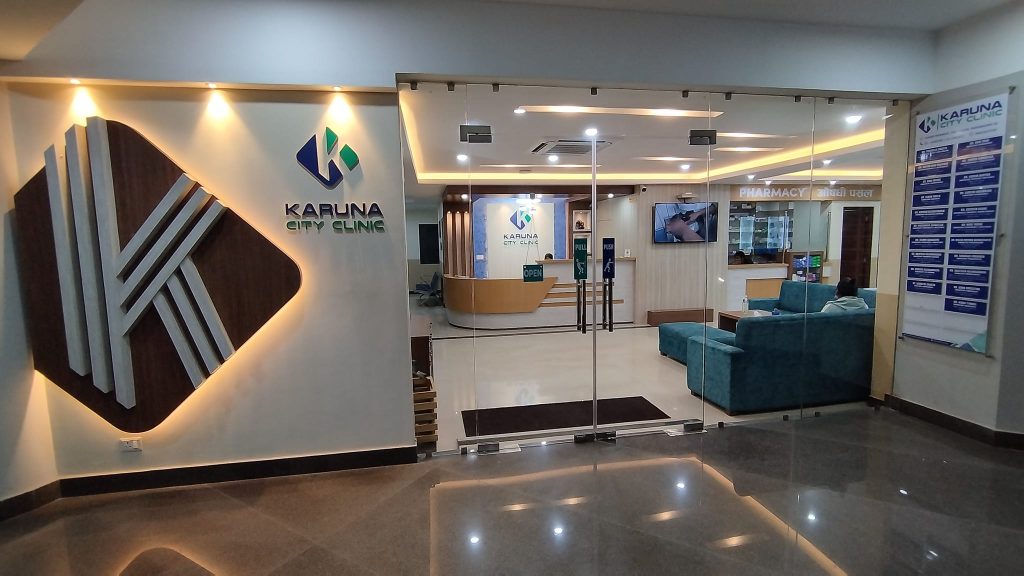
Facilities such as Karuna City Clinic contribute to this structured outpatient model by offering a range of primary and specialized services within one clinical framework.
This contextual reference is informational and not comparative.
Importance of Ethical Healthcare
Ethical medical practice distinguishes responsible clinics.
Key ethical indicators include:
- No unnecessary investigations
- Evidence-based prescription practices
- Patient confidentiality
- Informed consent procedures
The Best clinic in Nepal prioritizes patient welfare above volume.
Data Snapshot: Primary Care Impact
Research indicates:
- Strong primary care systems reduce emergency hospital admissions by up to 20%
- Early detection of chronic diseases significantly lowers complication rates
- Preventive screening reduces long-term healthcare costs
These statistics reinforce the importance of structured primary care.
Common Misconceptions About Clinics
Myth 1: Bigger clinic means better quality.
Reality: Quality depends on expertise and systems, not size.
Myth 2: Specialist-only clinics are always superior.
Reality: Integrated primary and specialized care is often more effective.
Myth 3: Higher consultation fee equals better service.
Reality: Value lies in accurate diagnosis and ethical care.
Frequently Asked Questions (FAQ)
What defines the Best clinic in Nepal?
The best clinic combines qualified doctors, diagnostic accuracy, hygiene standards, transparent communication, and integrated primary and specialized care.
How important is primary care?
Primary care is essential for early detection, chronic disease management, and preventive health.
Should I choose a clinic with specialist services?
Yes, integrated specialist access improves convenience and coordinated care.
How can I evaluate a clinic in Kathmandu?
Review doctor qualifications, diagnostic facilities, safety standards, and patient communication practices.
Is preventive care available in most clinics?
High-quality clinics prioritize preventive services such as health screenings and lifestyle counseling.
Key Takeaways
Defining the Best clinic in Nepal requires:
- Strong primary care foundation
- Access to specialized treatment
- Qualified professionals
- Diagnostic accuracy
- Ethical transparency
- Patient-centered service
Informed decisions lead to safer healthcare experiences.
Medical / Professional Review Note
This article is based on established healthcare quality frameworks, primary care research, and outpatient clinical standards recognized internationally as of 2026. It is intended for educational purposes and does not replace personalized medical consultation.